THANK YOU FOR SUBSCRIBING

× 
Food and Beverage Tech Review Weekly Brief
Be first to read the latest tech news, Industry Leader's Insights, and CIO interviews of medium and large enterprises exclusively from Food and Beverage Tech Review

By Dominique Mitial, VP of Food Safety, Quality & Regulatory Affairs, Goldbergs Group
Navigating Food Sustainability: Our Collective...


By Erin Chua, Global Sustainability Manager at Dole Sunshine Company
5 Essential Ways to Integrate Sustainability into a...

By Antoni Simamora, Environmental & Sustainability Senior Asst. Manager, First Resources Ltd.
Ensure That Palm Oil Products Are Environmentally...

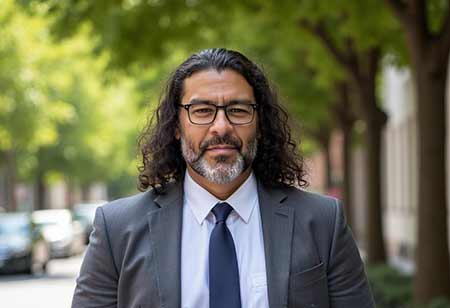
 Reynaldo Romero, Quality Assurance Manager, Fresh Express
Through this article, Romero aims to convey the importance of cultivating a robust culture of food safety within organizations and highlights key principles and practices that contribute to building and sustaining such a culture, including leadership commitment, education and training and open communication. He also shares insights gained from his experience in the food safety profession, emphasizing that food safety is not just a job but a vocation.
In my journey through over fifteen years as a food safety professional, I have navigated the complex and ever-evolving landscape of food safety, not merely as a profession but as a vocation. My role has taken me through the intricacies of regulations, audits and the implementation of rigorous protocols, each experience contributing to a mosaic of lessons on creating a robust culture of food safety.
At the heart of these lessons has been the understanding that cultivating a culture of food safety is akin to tending to a delicate ecosystem. It begins with leadership, where commitment to food safety must be unwavering. In the early days, I quickly realized that my actions and priorities would set the tone for the entire organization. Demonstrating a preference for food safety and quality over productivity, I endeavored to set precedent through my actions, understanding that the values instilled at the top would permeate throughout the organization.
Education and training emerged as the cornerstones of my approach. Rather than mechanical sessions aimed at ticking boxes, investing in dynamic and engaging training programs. Through interactive workshops and real-life scenarios, I sought to embed a deep understanding and commitment to food safety practices in our team. This approach ensured that knowledge was not just imparted but absorbed and enacted.
Open communication channels were the lifeblood of our culture. I strived to create an environment where every team member felt comfortable voicing concerns and suggestions. This openness not only fostered a sense of ownership and responsibility, but also enabled us to preemptively address potential issues, embodying a proactive stance toward food safety.
Recognition and reward systems served as vital nutrients, encouraging the growth, and flourishing of a safety-first mindset. By celebrating those who exemplified our safety standards, we not only motivated individuals, but also set a benchmark for excellence within the team.
Regular audits and constructive feedback act as the pruning shears, essential for healthy growth. These processes were not punitive, but rather opportunities for learning and improvement, integral to maintaining the integrity of our food safety culture.
"As we continue to navigate the challenges and opportunities ahead, the lessons learnt and the culture cultivated will undoubtedly serve as our most valuable assets in ensuring the safety and integrity of the food we produce"
Through this journey, I have witnessed the transformative impact of a deeply ingrained culture of food safety. It is a testament to the collective effort and dedication of every individual involved. As we continue to navigate the challenges and opportunities ahead, the lessons learned, and the culture cultivated will undoubtedly serve as our most valuable assets in ensuring the safety and integrity of the food we produce.
Read Also

Enhanced Precision Agriculture using Cloud Based AI
Enrique Leon, AI Enterprise Architect, American Sugar Refining Inc

How Cloud Computing Impacts Precision Agriculture Technology
Ruohan Liu, Senior Director, Global Operations, Agriculture Supply Innovation, PepsiCo

Building Durable Growth in Food Systems
Keira Lombardo, Chief Strategy Officer, Cal-Maine Foods Inc

From Roadmap to Reality: Scaling Technology with Purpose
Cameron Fiorini, Vice President of Digital & Technology, Foxtail Coffee CO

Why Restaurant Technology Should Be Designed For People, Not Just Performance
Brianne (Lane) Harvey, Director of Process + IT, Apicii Hospitality
Transforming the Beverage Alcohol Industry
Todd Morillo, Director of Sales Technology, Eagle Rock Distributing Company


Top
